


Download the business appDownload on the App StoreGet it on Google Play
Back to Resources
Is Your Home Ready for the New EPC Rules? A Homeowner's Retrofit Guide
16 April 2026NoaPro TeamRetrofit Guidance

Is Your Home Ready for the New EPC Rules? A Homeowner's Retrofit Guide

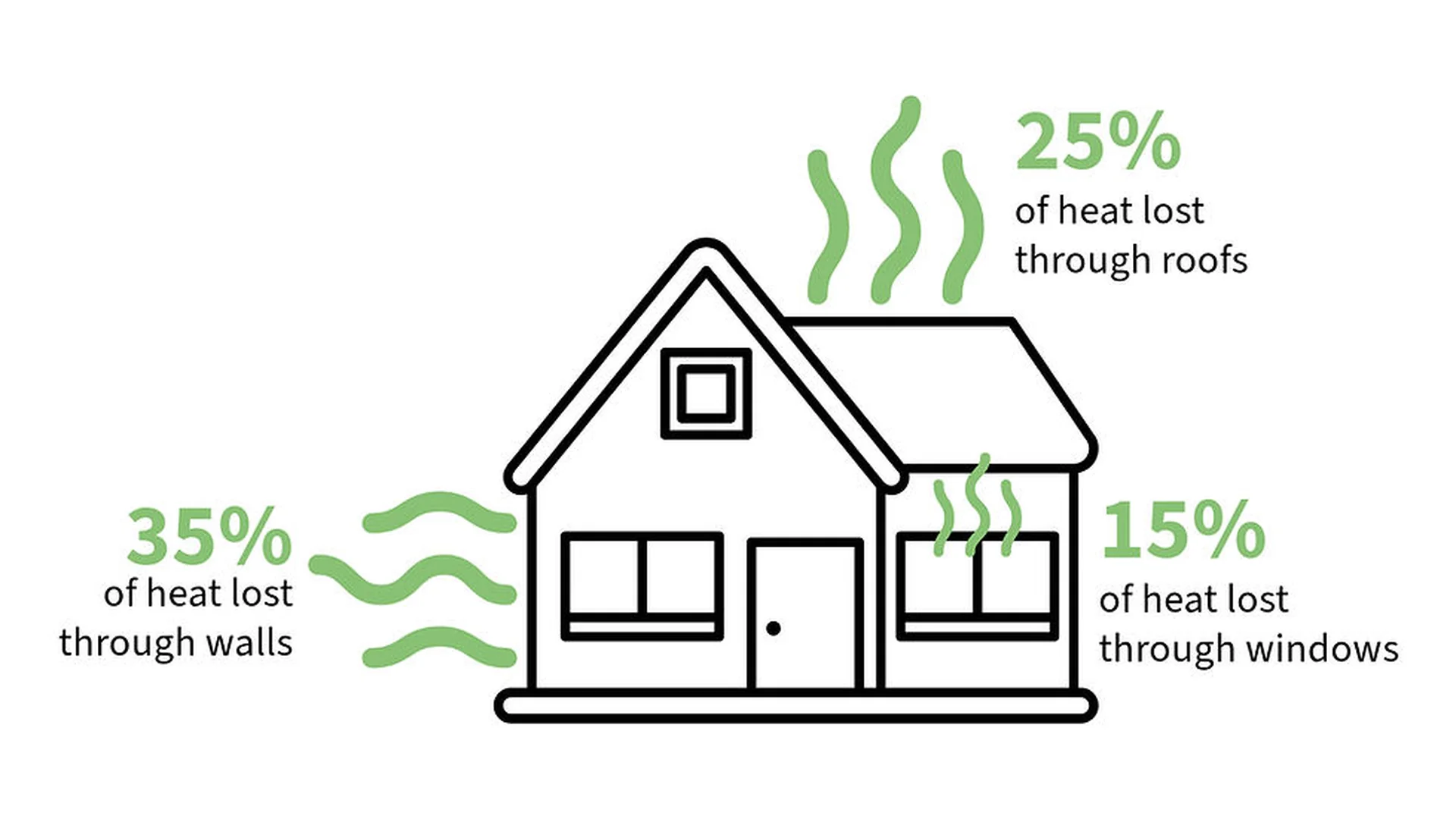
With tightening energy efficiency regulations and rising energy costs, understanding your home's Energy Performance Certificate (EPC) rating has never been more important. Currently, 56% of UK homes remain rated EPC D or below — meaning the majority of British properties are significantly less energy-efficient than they should be. Whether you're a homeowner wanting to cut bills, a landlord preparing for the October 2026 EPC C requirement for new tenancies, or someone thinking about selling, this guide will help you understand where you stand and what to do about it. Step 1: Check Your Current EPC Rating Every property that has been sold or rented since 2008 should have an EPC on record. You can check your property's current rating for free on the government's EPC register at epcregister.com. Your certificate will show: • Your current energy efficiency rating (A to G) • Your potential rating if recommended improvements were made • Estimated energy costs per year • Specific recommendations for improvement, ranked by impact and cost If your property doesn't have a current EPC, or if it's more than 10 years old, you should get a fresh assessment from a qualified EPC assessor. Step 2: Understand What Your Rating Means Band A-B: Excellent — Your home is already highly energy-efficient. Minimal upgrades needed. Band C: Good — This is the target standard for rental properties from October 2026. Most modern homes built after 2010 achieve this. Band D: Below Target — The most common rating in the UK. Your home likely needs insulation upgrades, heating improvements, or both. Band E-G: Significant Upgrades Needed — Properties in these bands are expensive to heat and will require substantial investment to bring up to standard. Step 3: Prioritise Your Upgrades Not all upgrades are equal. Here's a typical priority order based on cost-effectiveness: High Impact, Lower Cost: • Loft insulation (top-up to 270mm) — £300-£500 • Cavity wall insulation — £500-£1,500 • Draught-proofing — £100-£300 • LED lighting throughout — £100-£200 • Smart thermostat and TRVs — £200-£400 High Impact, Higher Cost: • Solid wall insulation (internal) — £4,000-£13,000 • Solid wall insulation (external) — £8,000-£22,000 • Heat pump installation — £7,000-£13,000 (grants available) • Solar PV panels — £4,000-£8,000 • Double/triple glazing — £3,000-£7,000 Step 4: Find the Right Professionals The quality of installation matters as much as the product itself. For any energy retrofit work, look for: • TrustMark-registered installers — The government's quality mark for home improvement • MCS-certified installers — Required for heat pumps and solar panels (and for accessing grants) • PAS 2035-compliant professionals — The standard for domestic retrofit projects • Proper insurance and guarantees NoaPro's directory helps you find these verified professionals in your local area. You can search by service type, location, and accreditation to find exactly the right tradesperson for your project. Step 5: Explore Funding Options Several schemes can help with costs: • Boiler Upgrade Scheme — Up to £7,500 towards a heat pump • Energy Company Obligation (ECO4) — Free or subsidised insulation for eligible households • Local authority grants — Many councils offer additional funding • Green finance options — Some lenders offer preferential rates for energy improvements Taking Action The best time to start improving your home's energy efficiency was yesterday. The second-best time is today. Use NoaPro to find qualified local professionals who can assess your property and recommend the most effective upgrades for your specific situation. Every improvement you make reduces your energy bills, increases your comfort, and adds value to your property. Start your retrofit journey now.