


16 April 2026NoaPro TeamRetrofit Guidance
New EPC Rules for Landlords: What You Need to Know Before October 2026
If you're a landlord in the UK, there's a deadline approaching that could significantly affect your rental business. By October 2026, the government has mandated that all new tenancies must be supported by an Energy Performance Certificate (EPC) of Grade C or higher.
This isn't a distant future concern — it's happening soon, and the implications are substantial.
The Current Situation
According to Fenestration News, 56% of UK homes remain rated EPC D or below. For rental properties, many of which are in older buildings, the proportion is even higher.
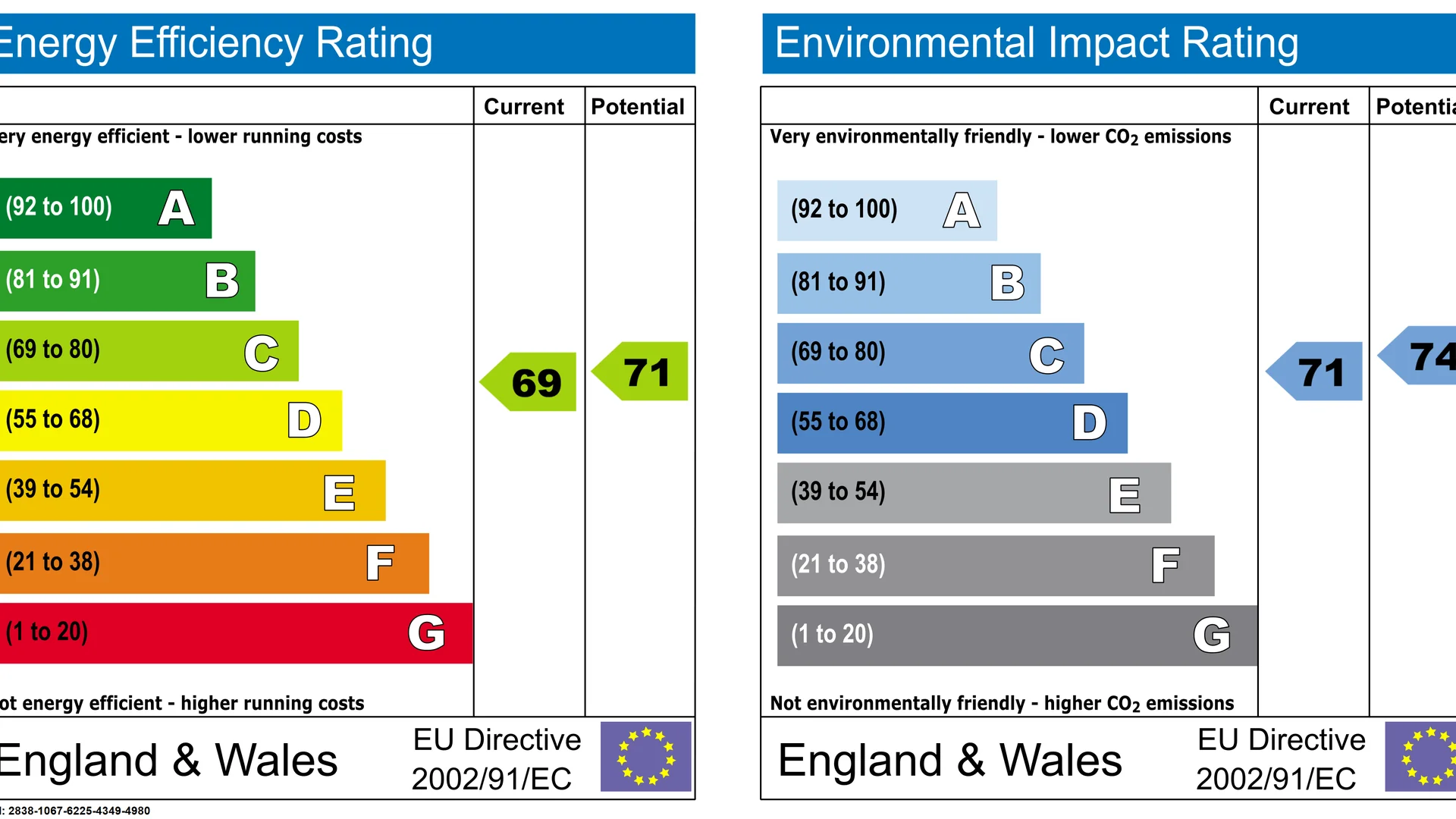
The current minimum standard for rental properties is EPC Band E. The jump to Band C is significant and will require meaningful investment in energy upgrades for millions of rental homes.
What the New Rules Mean
From October 2026:
• All new tenancies (including renewals) must have an EPC of at least Band C
• Existing tenancies will need to comply by a later deadline (expected 2028-2030)
• Non-compliance could result in substantial fines
• Exemptions may be available where upgrade costs exceed a specified cap, but these are expected to be narrow
What Upgrades Might Be Needed?
The most common upgrades to move from Band D to Band C include:
1. Loft Insulation Top-Up — Often the cheapest and most effective single measure.
2. Cavity Wall Insulation — Cost-effective with a payback period of just a few years.
3. Boiler Upgrade or Heat Pump — Replacing an old boiler with a modern condensing boiler or heat pump.
4. Double or Triple Glazing — Replacing single-glazed windows reduces heat loss.
5. Draught-Proofing — Simple but effective, particularly in older properties.
6. Smart Heating Controls — Installing a programmable thermostat and TRVs.
What Should Landlords Do Now?
1. Get a Current EPC Assessment — If your certificate is more than a few years old, get a fresh assessment.
2. Start Planning Early — Don't wait until 2026. Tradespeople will be in high demand as the deadline approaches.
3. Budget for Upgrades — Get quotes from qualified tradespeople for the recommended improvements.
4. Check for Available Grants — Various government and energy company schemes may help cover costs.
5. Use NoaPro to Find Specialists — Our directory lists EPC assessors, insulation specialists, and heating engineers who can help.
The Financial Case for Acting Now
Beyond compliance, energy-efficient rental properties:
• Command higher rents (tenants value lower energy bills)
• Have shorter void periods
• Attract better-quality tenants
• Require less maintenance
Don't leave it to the last minute. Start your EPC upgrade journey now.